Thesis

What the firm believes, stated in full.

The method is what the firm does. This is why it does it. Eight working axioms set the premises the method runs on, and three theses state the argument those premises lead to.

Tesla patent drawing: an invention claimed and structured as property
Plate 03. N. Tesla, U.S. 459,772, 1891. Invention becomes property through structure.

Premises

Eight working axioms.

Every stage of the method rests on these. They are stated so they can be argued with.

The question is not whether the capability exists. It is whether anyone has modeled the organization well enough to see it.

Silos, departmental ownership, and inherited assumptions obscure value that is already present.

A capability that is ordinary in one context is often scarce and valuable in another. Transfer requires abstraction, not invention.

Most important innovations arise from novel combinations of existing knowledge. Recombination, not creation from nothing, is the firm's primary activity.

Regulatory positions, IP rights, contractual structures, and governance design are materials from which commercial advantage is built.

Technology selection follows problem definition. No technology is chosen before the capability and the commercial objective are understood.

Premature implementation is the most common source of value destruction in complex organizations. The method never begins with a predetermined solution.

Fee models, equity arrangements, and incentive structures are designed around the value actually created, not around effort or time.

The argument

Three theses.

Thesis 01

Why organizations systematically underuse what they already own

Organizational complexity creates capability faster than it creates mechanisms for cross-functional recognition. As organizations specialize, departmentalize, and optimize, they become increasingly efficient at local tasks and increasingly blind to global opportunity. The knowledge, technology, data, and relationships that accumulate inside a complex organization are rarely visible to any single function. They are distributed across teams that have no mandate to see the whole.

The result is not incompetence. It is a structural condition: the same organizational design that produces efficiency also produces invisibility.

Thesis 02

Opportunity is an emergent property of the enterprise

High-value opportunities frequently exist between departments, disciplines, rights, and systems rather than inside any one of them. They are not owned by any function, not visible from any single vantage point, and not actionable without the ability to hold multiple domains simultaneously.

This is why most organizations do not capture them. The opportunity is not hidden. The organizational structure has no mechanism for seeing across its own boundaries. The opportunity appears only when the system is viewed as a whole.

Thesis 03

Abstraction is the scarce capability

Discovery finds the asset. Abstraction identifies what the asset can become. Most organizations can, with effort, catalogue what they own. Very few can separate what a capability fundamentally does from the context in which it was created and ask: where else does this problem exist?

Abstraction is not a creative exercise. It is a disciplined analytical one: holding a capability outside its original organizational, technical, and commercial context and evaluating it purely on the function it performs. That function, once identified, can often transfer to industries and applications with no obvious relationship to the original context. That transfer is where asymmetric value is created.

Precedent

Four capabilities that outlived the context they were built for.

None of this is the firm's work. It is the standard the work is measured against. Each of these is a capability that existed before the market that needed it, held by people who could describe what it did but not yet where else it applied. The gap is measured in decades. Closing that gap deliberately, rather than waiting for someone to notice, is the whole proposition.

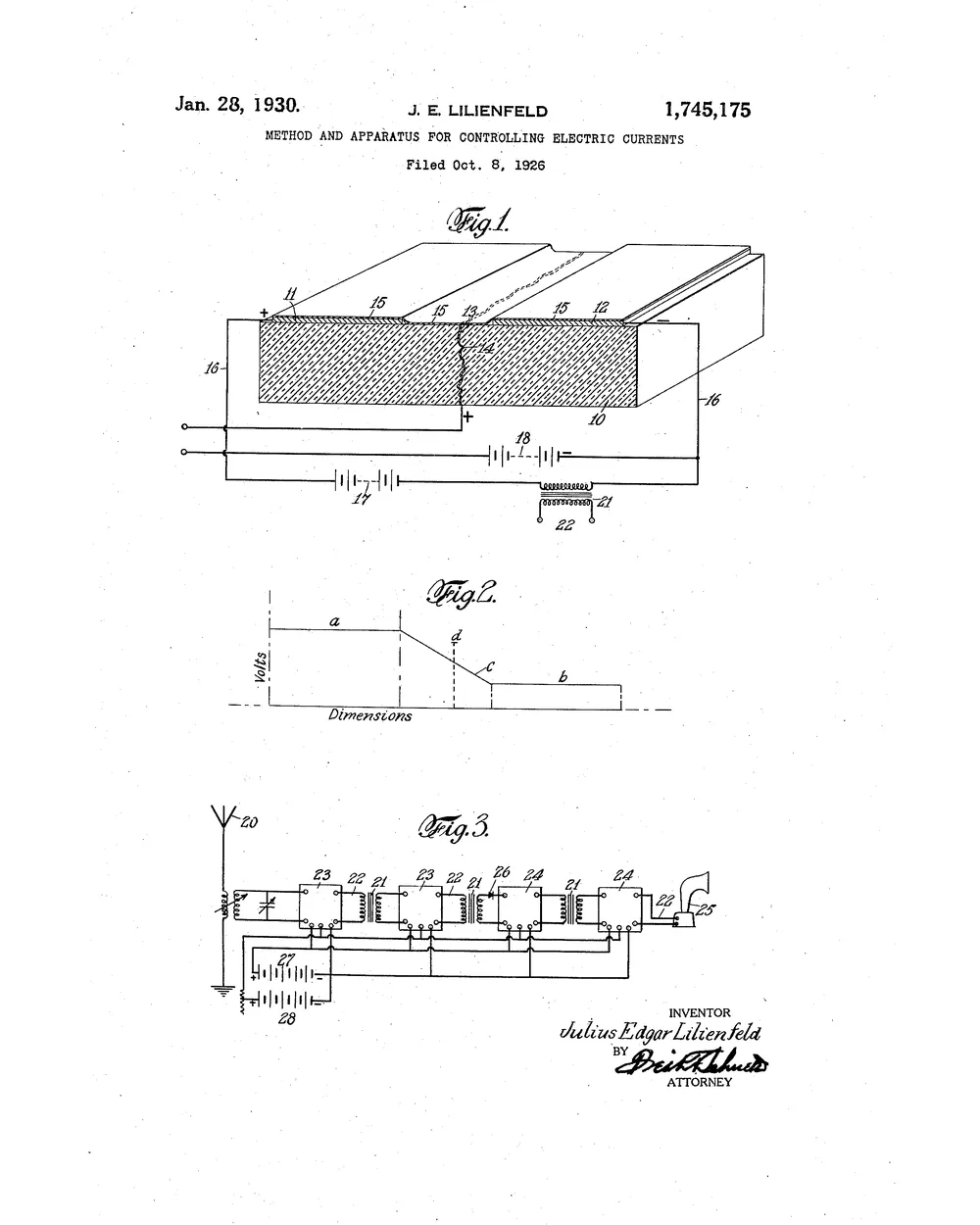
Sheet 1 of Julius Lilienfeld's 1930 patent: a layered semiconductor structure with a control electrode, shown in section, with characteristic curve and circuit.
J. E. Lilienfeld, U.S. 1,745,175, 1930 A field-effect transistor, specified twenty years before anyone could manufacture one. The capability was fully described. The context that could build it did not exist yet.
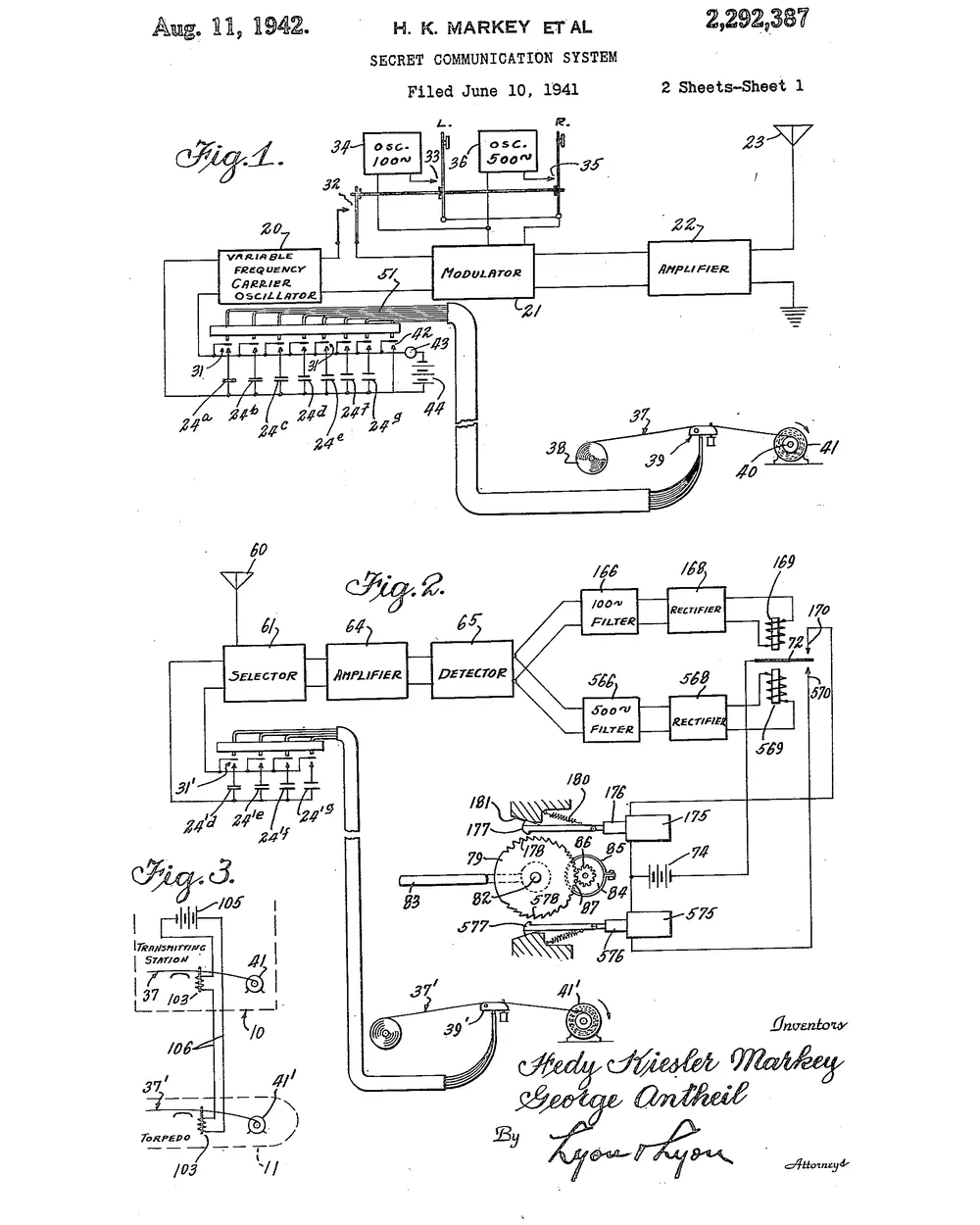
Sheet 1 of the 1942 Markey and Antheil patent: transmitting and receiving apparatus drawn as block diagrams, signed by Hedy Kiesler Markey and George Antheil.
H. K. Markey and G. Antheil, U.S. 2,292,387, 1942 Filed as a guidance system for torpedoes. The function underneath was frequency hopping, and it now carries Wi-Fi, Bluetooth, and CDMA. It sat unused for two decades because it was read as a weapon rather than as a way to move a signal.
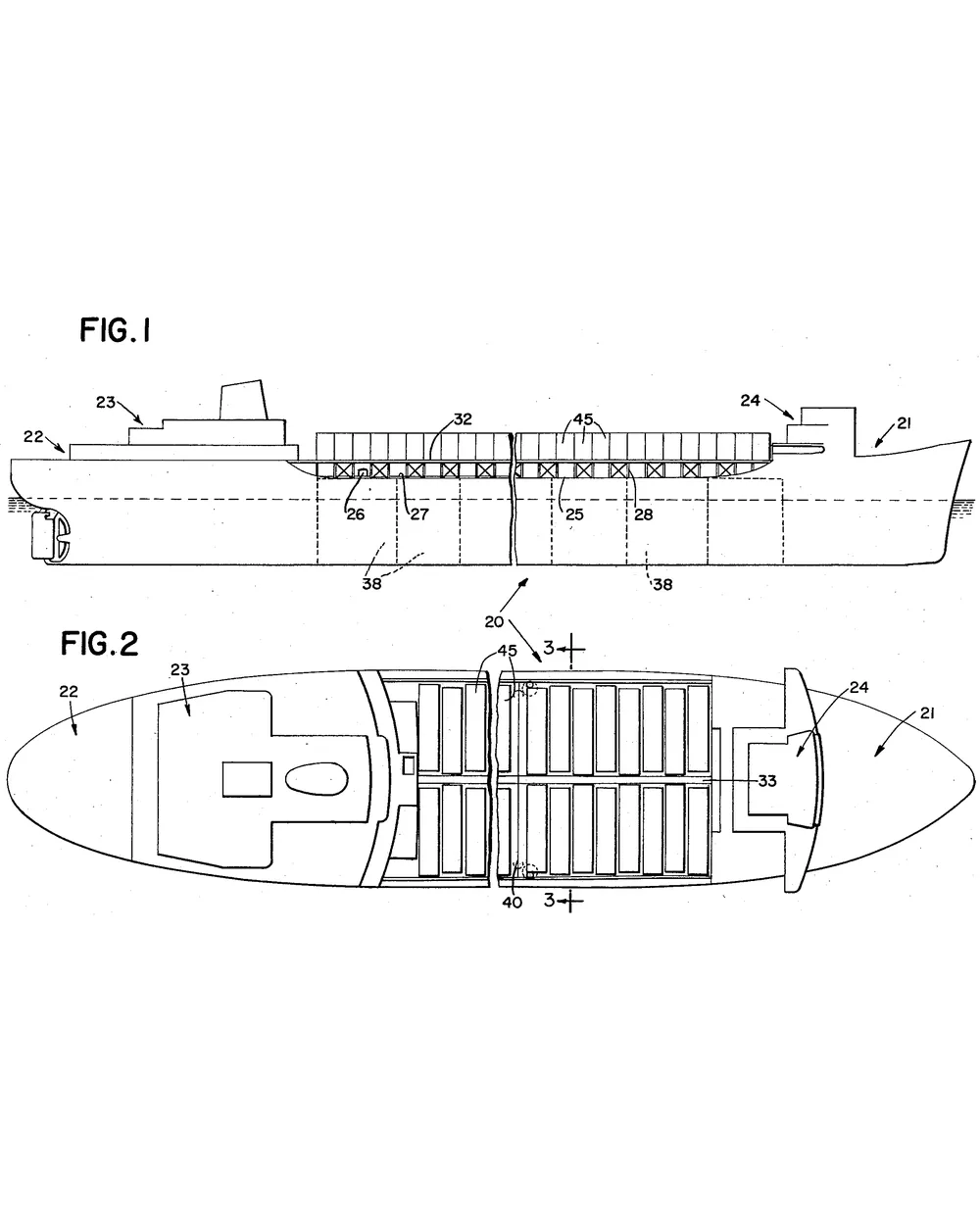
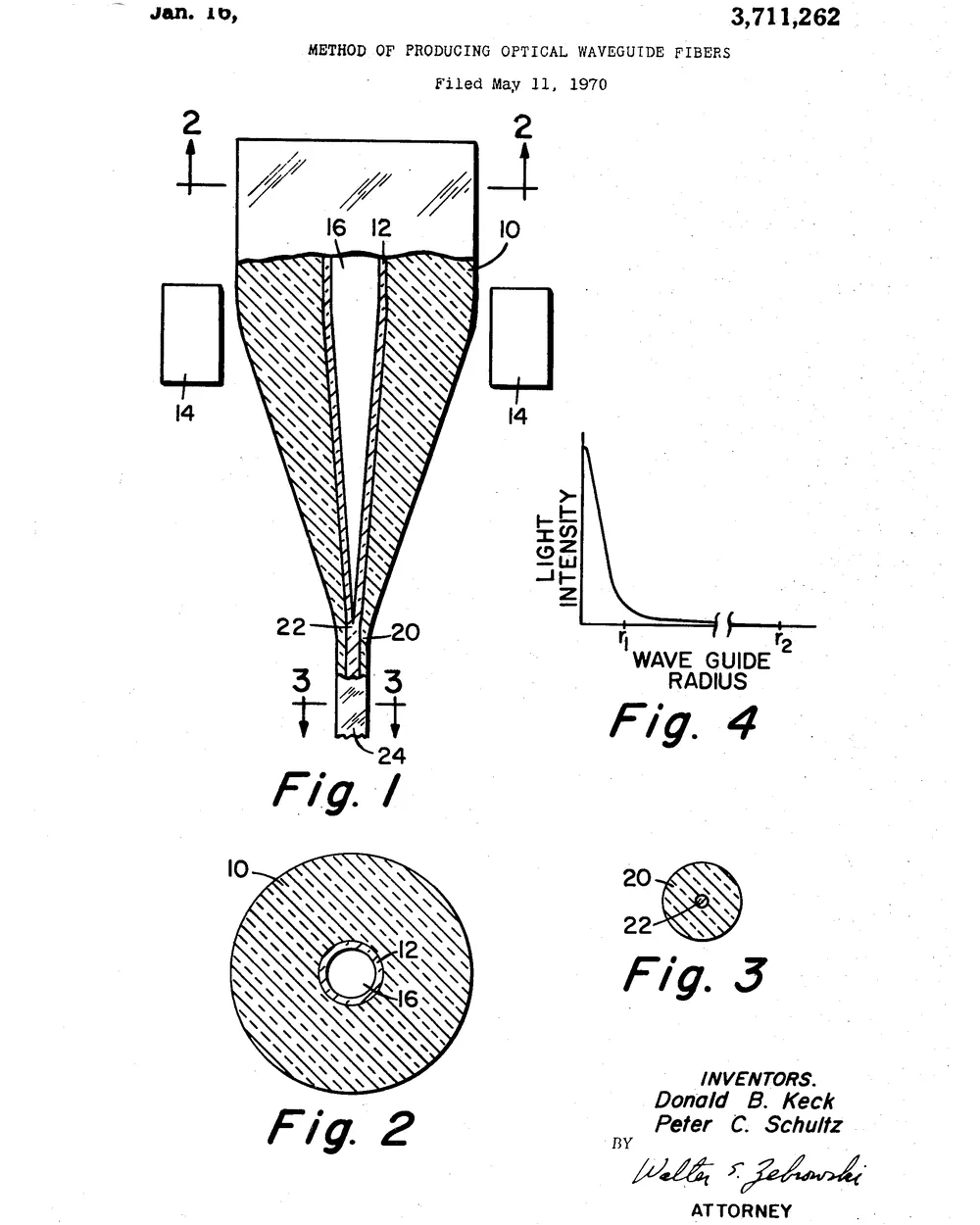
Sheet 1 of the 1973 Corning patent: a glass preform drawn into a fibre, cross-sections of core and cladding, and a curve of light intensity against waveguide radius.
D. B. Keck and P. C. Schultz, Corning, U.S. 3,711,262, 1973 Corning made cookware and lightbulb glass. The transferable capability was control of optical purity, and it became the physical layer of the internet. The company did not acquire a new competence. It recognized the one it had.
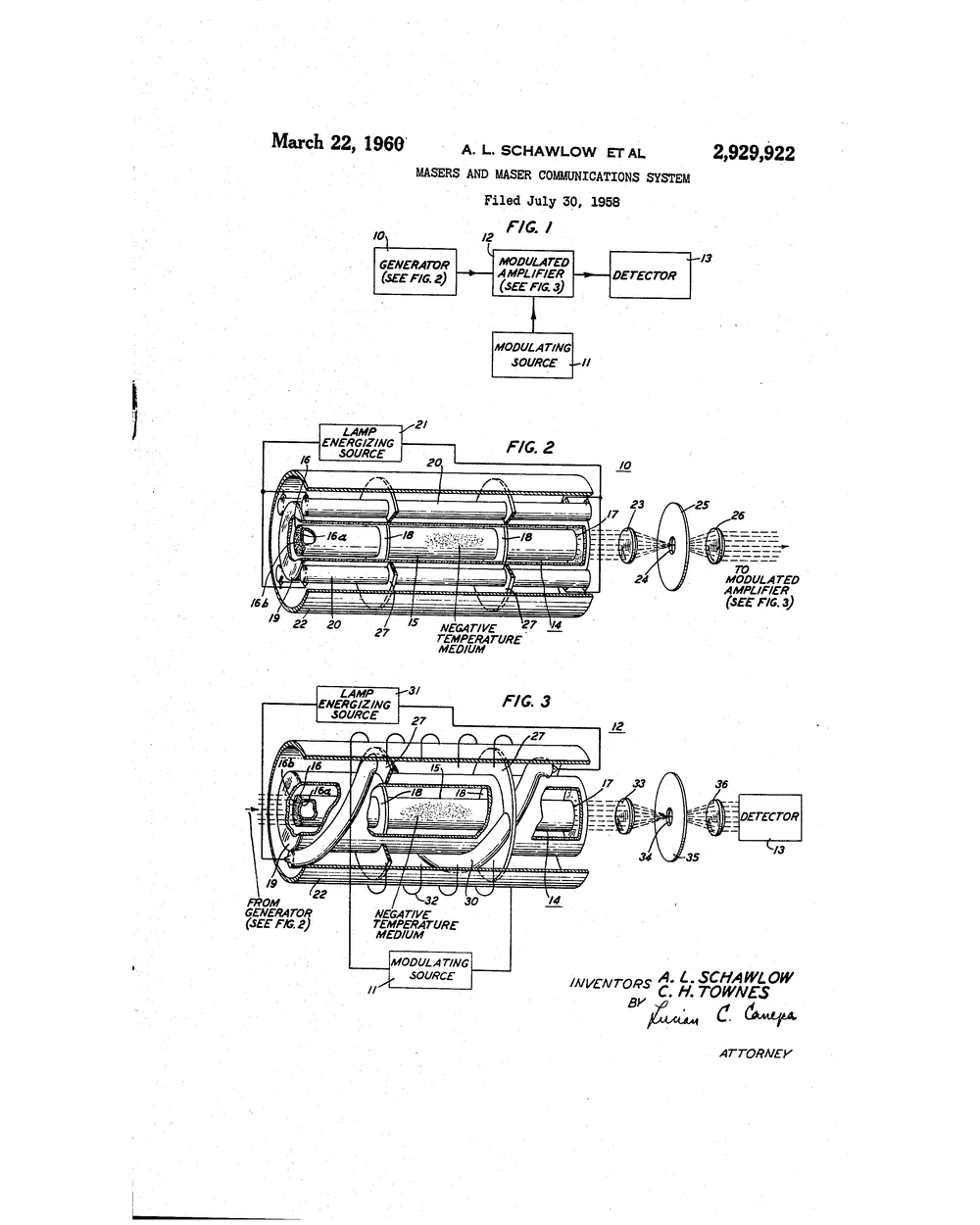
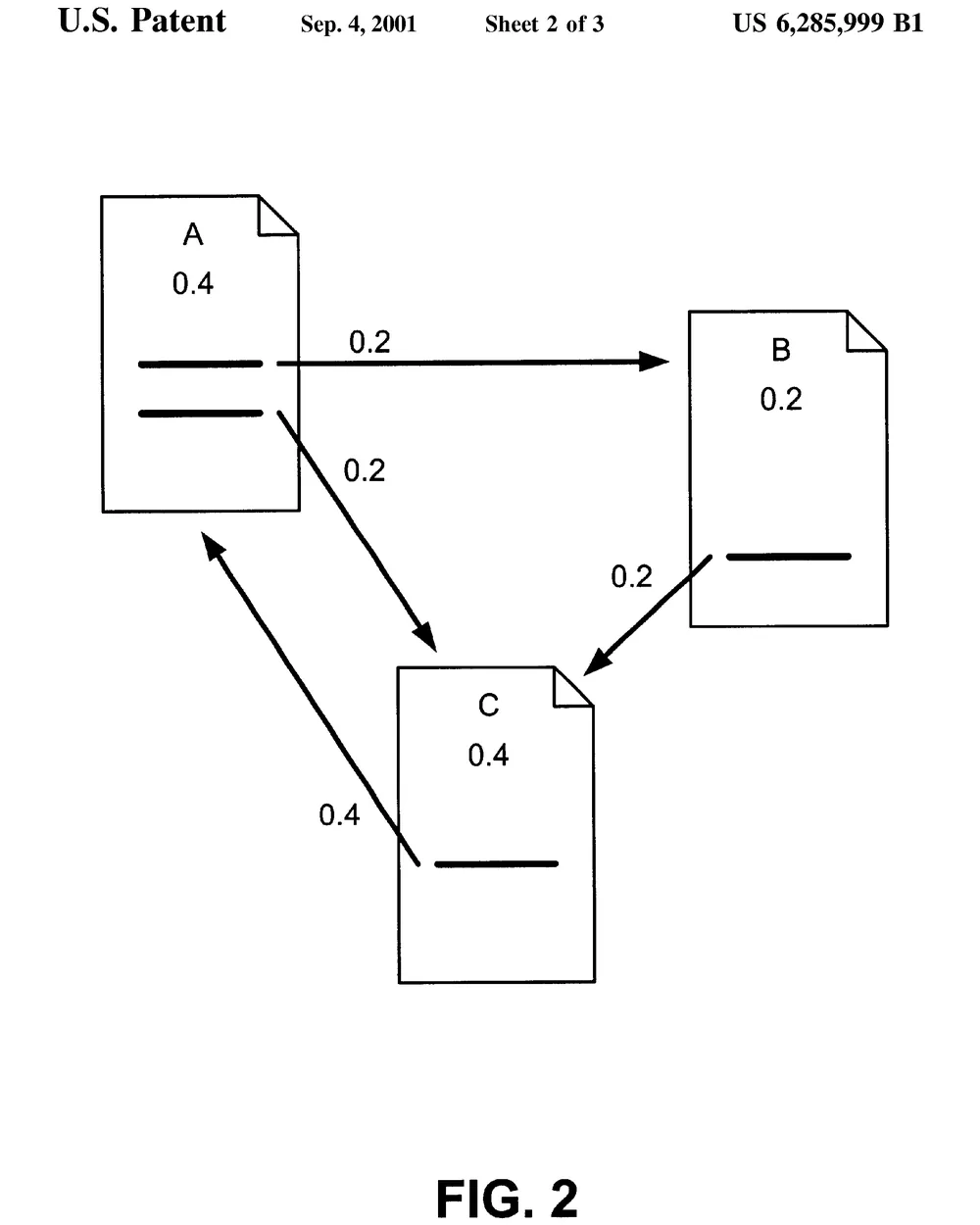
Sheet 2 of the 2001 PageRank patent: four documents linked by weighted arrows, each carrying a numeric rank.
L. Page, U.S. 6,285,999, 2001 Ranking academic papers by who cites them was decades old. Applying it to hyperlinks made the web searchable. The method did not change. The domain did.