Thinking

Selected theses.

These are the ideas the firm operates on, stated in full. Each will anchor a substantive essay in time; until then, they are presented as complete ideas rather than previews of articles that do not yet exist.

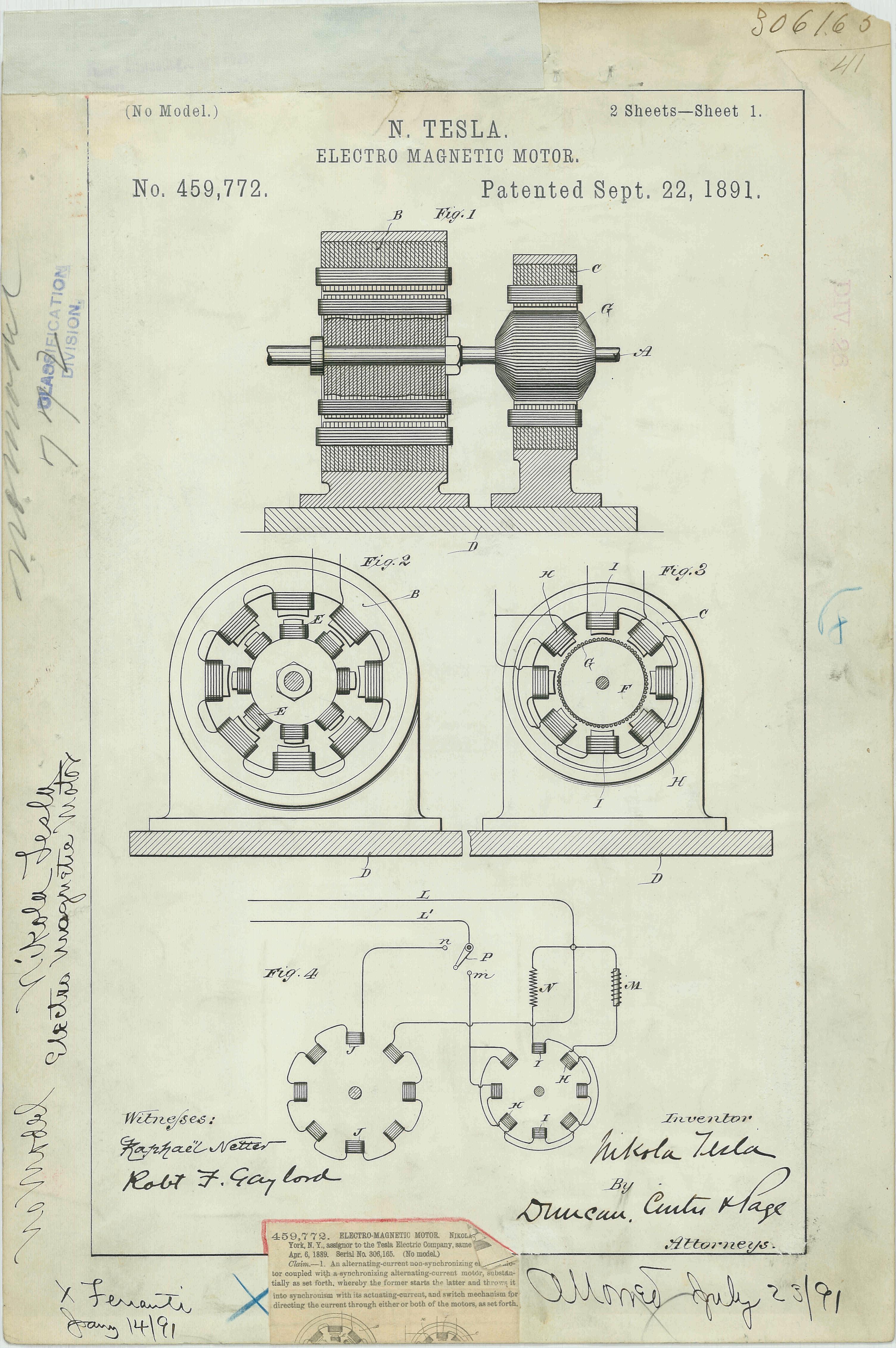
Tesla patent drawing: an invention claimed and structured as property
Plate 01. N. Tesla, U.S. Patent. Invention becomes property through structure.
Thesis 01

Why organizations systematically underuse what they already own

Organizational complexity creates capability faster than it creates mechanisms for cross-functional recognition. As organizations specialize, departmentalize, and optimize, they become increasingly efficient at local tasks and increasingly blind to global opportunity. The knowledge, technology, data, and relationships that accumulate inside a complex organization are rarely visible to any single function. They are distributed across teams that have no mandate to see the whole.

The result is not incompetence. It is a structural condition: the same organizational design that produces efficiency also produces invisibility.

Thesis 02

Opportunity is an emergent property of the enterprise

High-value opportunities frequently exist between departments, disciplines, rights, and systems rather than inside any one of them. They are not owned by any function, not visible from any single vantage point, and not actionable without the ability to hold multiple domains simultaneously.

This is why most organizations do not capture them. The opportunity is not hidden. The organizational structure has no mechanism for seeing across its own boundaries. The opportunity appears only when the system is viewed as a whole.

Thesis 03

Abstraction is the scarce capability

Discovery finds the asset. Abstraction identifies what the asset can become. Most organizations can, with effort, catalogue what they own. Very few can separate what a capability fundamentally does from the context in which it was created and ask: where else does this problem exist?

Abstraction is not a creative exercise. It is a disciplined analytical one: holding a capability outside its original organizational, technical, and commercial context and evaluating it purely on the function it performs. That function, once identified, can often transfer to industries and applications with no obvious relationship to the original context. That transfer is where asymmetric value is created.